What is the metaverse?
Metaverse is the virtual world where you game, work, and socialize. Learn what Meta's VR universe looks like and what's coming next.

Curated writing on money, crypto, investing and much more - using terms that you'll actually understand.

Metaverse is the virtual world where you game, work, and socialize. Learn what Meta's VR universe looks like and what's coming next.

USDC tokenises the US dollar for use across blockchains, exchanges, wallets and DeFi applications. New tokens are minted when dollars enter reserve and destroyed when holders redeem them. Cash and short-term Treasury backing, regular reserve reporting and one-to-one convertibility aim to keep its price stable while enabling rapid global transfers.

Both USDT and USDC track the US dollar, but they prioritise different strengths. Tether offers longer history, wider adoption and deeper global liquidity, while Circle's USDC emphasises monthly reserve reporting, regulatory alignment and more accessible direct redemption. Each has briefly depegged, so the better choice depends on whether reach, transparency or diversification matters most.

Satoshi Nakamoto published Bitcoin’s whitepaper in 2008, mined the Genesis block in 2009 and disappeared after handing development responsibilities to the community. Hal Finney, Nick Szabo, Dave Kleiman and Craig Wright have all figured in attempts to identify the creator, but none has settled the mystery. Bitcoin now operates independently of whoever began it.
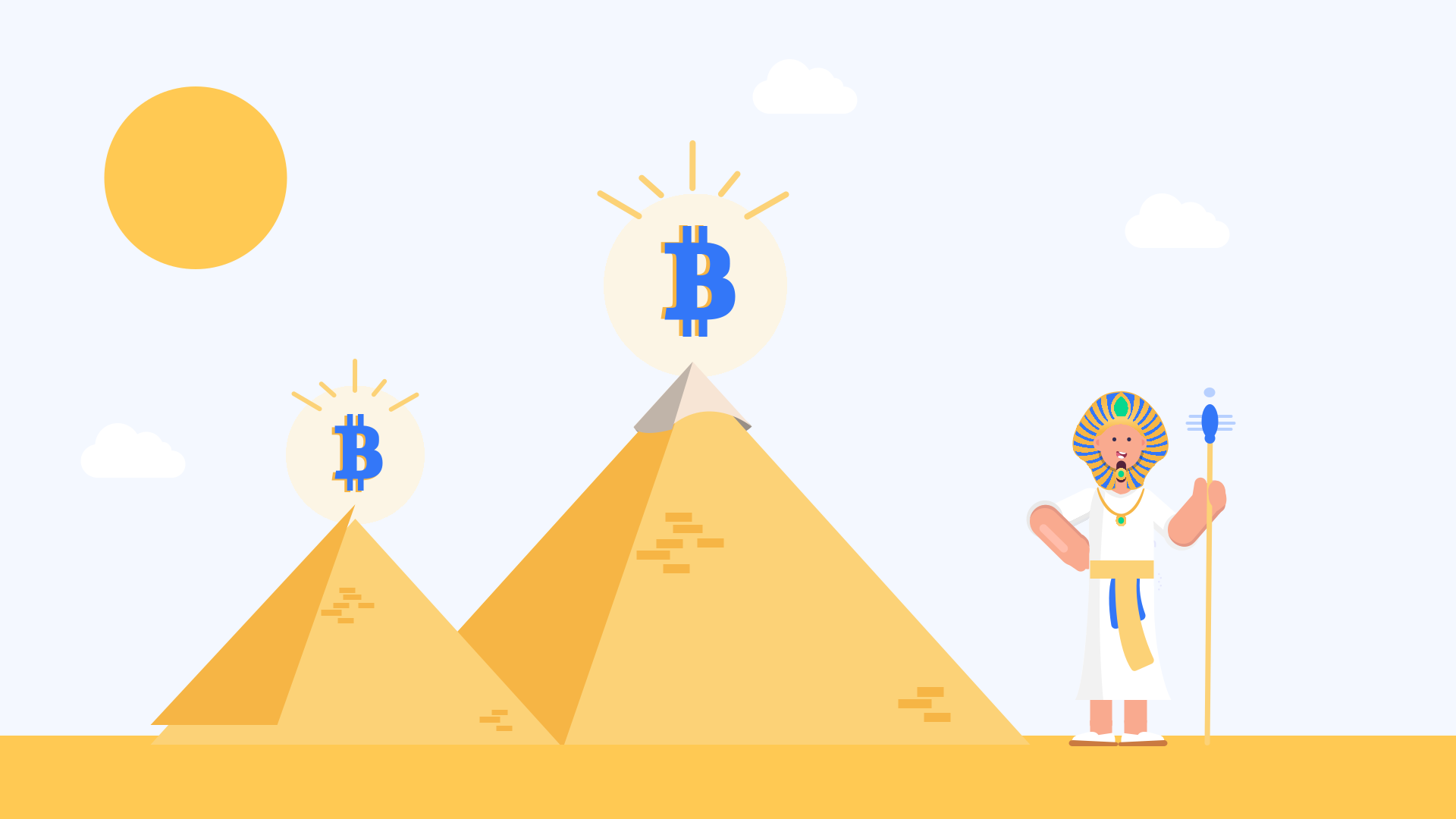
Ponzi schemes depend on a central organiser using new participants’ money to pay earlier investors while concealing how funds move. Bitcoin has no such operator: ownership and transactions are recorded on a public blockchain, and returns fluctuate openly with the market. Cryptocurrency can still be used by scammers, so unrealistic guarantees remain a warning sign.
The Tap card gives you as much as 8% cashback to let you earn more on your everyday spending. No credit check required.

Crypto volatility reflects supply-and-demand pricing, a young and rapidly changing technology, speculation, media influence and unusually easy market access. Broader adoption and clearer regulation may moderate those swings, but no stable endpoint is guaranteed. Investors can build resilience through long horizons, planned orders, emotional discipline and the core rule of never risking more than they can afford to lose.

Every 210,000 blocks, Bitcoin halves the reward paid to miners, slowing new supply while preserving its 21 million coin limit. Previous halvings in 2012, 2016 and 2020 were followed by powerful bull markets, often after a delay. Those cycles provide useful context, but macroeconomic shocks, sentiment and volatility still prevent reliable forecasts.
One app. Your crypto, your card, your money — all working together. No complexity, no compromise, just a smarter way to manage what you've got.